The health of your household is shaped by more than your habits, routines, and healthcare. The space where you spend most of your time is a major influence on your comfort, respiratory health, and long-term wellness. Many people overlook how contaminants, allergens, and hidden hazards inside their homes affect their bodies, sleep patterns, mental clarity, and vulnerability to illness. Taking steps to improve indoor cleanliness, minimize airborne pollutants, and address household infrastructure problems can dramatically enhance comfort and overall well-being. When you focus on indoor air quality and home safety solutions, you create a stronger foundation for everyone in your family to thrive. From preventing water-related hazards to maintaining secure entry points and keeping pests away, every improvement helps build a safer environment.
Keeping Tap Water Clean and Safe for Your Family
Your home’s water isn’t just used for drinking—it touches every part of daily life, from preparing meals to showering and washing laundry. Clean, properly treated water helps protect your health and prevents contaminants from circulating throughout the home. When harmful substances like minerals, chemicals, and bacteria lurk in your plumbing, they can irritate your skin, leave buildup on dishes and fixtures, and potentially harm your digestive system. Professional water treatment services help homeowners improve the taste, quality, and safety of their water supply by filtering out impurities and restoring healthier conditions.
Untreated water can negatively influence indoor humidity levels, causing mold and mildew to grow more easily. Hard water issues may also clog pipes, reduce appliance lifespan, and create corrosion that releases further contaminants into the air and water you use. Better water treatment can reduce these risks while supporting long-term well-being. Systems such as reverse osmosis filtration, water softeners, and whole-home purification units target diverse problems to provide reliable outcomes.
Supporting wellness isn’t only about removing what you can taste or see. The chemicals and pollutants found in unfiltered water may circulate through the air when you bathe or run appliances like humidifiers, contributing to respiratory irritation. The more thoroughly your water is purified, the less likely it is to produce troublesome indoor conditions. Monitoring changes in water color, odors, stains on laundry, or unusual buildup around faucets helps you identify when to call a professional. By improving water quality, homeowners take a major step toward indoor air quality and home safety solutions that strengthen wellness every day.
Addressing Household Mold to Protect Respiratory Health
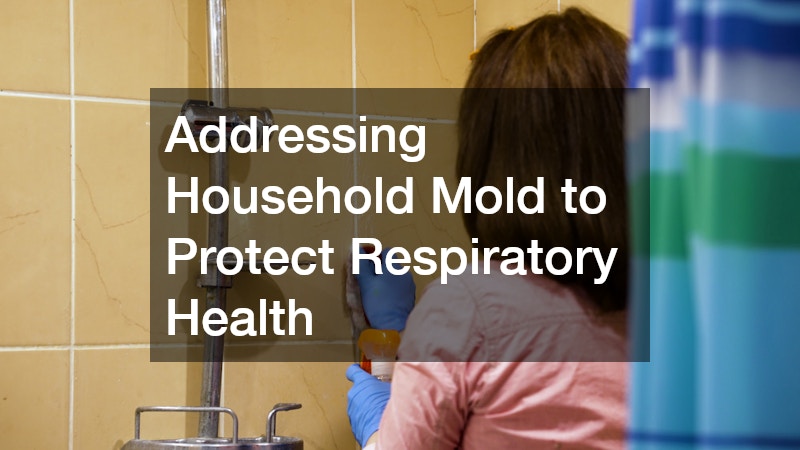
Mold thrives in damp areas and spreads quickly, releasing spores that become airborne hazards. Once inhaled, these spores can worsen allergies, trigger respiratory distress, and create long-lasting sensitivities. Battling mold requires more than wiping down visible growth—you must locate the source of moisture enabling it to reproduce. When homeowners partner with local mold removal services, they gain expert detection, safe cleanup, and preventive strategies to stop mold from returning.
Many mold problems develop behind walls, under flooring, or in basements where moisture goes unnoticed. Small leaks from pipes or appliances create the ideal breeding ground. When humidity rises due to poor ventilation, mold accelerates. Homeowners may initially recognize symptoms like musty odors or increased coughing and sneezing before spotting visible patches. Large infestations may also weaken structural materials over time, causing deeper home safety concerns.
Professionals assess the severity of contamination, remove colonies without releasing extensive spores into the environment, and treat the area to prevent regrowth. They also help pinpoint which repairs are needed to eliminate the underlying moisture. This may include sealing leaks, drying affected wood, improving ventilation, or insulating exterior walls more effectively. Controlling mold isn’t just about appearance—it’s about reversing damage to indoor air and ensuring family wellness remains a priority.
Preventing Household Invasions from Ants and Other Pests
Even tiny intruders can have a huge impact on home health. Ants are persistent pests that enter through the smallest cracks in search of food and moisture. Once inside, they contaminate surfaces, aggravate allergies, and lead to much larger infestations. Hiring an experienced ant exterminator ensures an attack on the full colony rather than the few visible explorers.
Pest prevention is an essential part of maintaining clean indoor conditions. Ant trails track bacteria, and some species bite or sting, making them especially troublesome around children and pets. Removing crumbs, sealing food containers, and keeping counters clean can deter them, but once they establish a foothold indoors, professional intervention becomes necessary. Exterminators locate nests, identify access points, and apply solutions that prevent re-entry.
Proper pest control also reduces the likelihood of additional problems. Ants often indicate deeper structural or moisture concerns like foundation cracks or plumbing leaks, which can trigger mold growth or attract other insects. Taking swift action protects the home’s surfaces, keeps kitchens sanitary, and maintains a sense of comfort for everyone inside.
Stopping pests from spreading is a proactive measure within indoor air quality and home safety solutions, helping maintain cleanliness and stability throughout the home.
Protecting Your Home From Rodent Damage
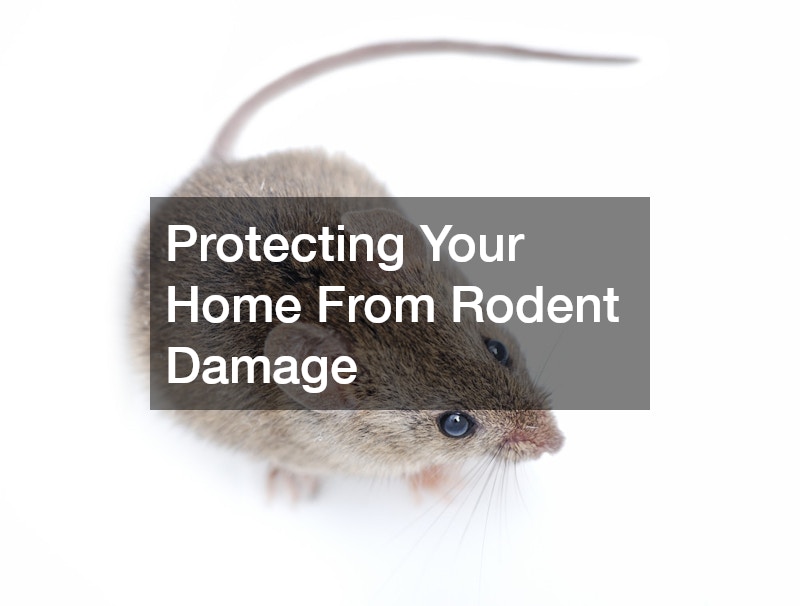
Rodents like mice carry harmful bacteria, chew through important wiring, and spread waste throughout hidden spaces. Their presence introduces contamination that can jeopardize respiratory health and indoor cleanliness. If you spot droppings, hear scratching in walls, or smell strong odors, contacting mice exterminators is essential for preventing escalation.
Mice are drawn indoors when weather gets colder or when easy access to food exists. Once inside, they reproduce quickly and conceal themselves within insulation, storage areas, and behind appliances. Their droppings contain diseases, and their constant gnawing can damage electrical systems—creating fire hazards that often go unnoticed until it’s too late. Homeowners may try traps, but without locating every entry point, rodents will continue to return.
Professionals implement strategies based on the home’s layout and level of infestation. They remove existing rodents, seal gaps, and recommend sanitation improvements to eliminate attractions. After an infestation, it’s also important to replace contaminated insulation and deep-clean affected surfaces to restore healthy living conditions.
Because rodents directly affect health and safety, eliminating them is a crucial part of indoor air quality and home safety solutions that safeguard families and prevent long-term property damage.
Preventing Termite Damage to Protect Structural Safety
Some infestations remain invisible until expensive damage is already underway. Termites silently consume wood framing, floors, and support beams—undermining the structural integrity of your home. Their destructive behavior can lead to unsafe conditions and enormous repair bills if ignored. Working with a termite exterminator helps homeowners protect their property before weakening becomes hazardous.
Termites are drawn to moisture; damp crawl spaces, basements, or areas with water intrusion create a perfect habitat. The longer termites feed, the more your home’s strength deteriorates. Homeowners may notice hollow-sounding wood, small piles of sawdust, or winged insects near windows. However, early stages often require professional inspection services to detect.
Exterminators use multiple treatment approaches, including bait systems and liquid barriers, to eradicate colonies and block future invasions. They also help identify where repairs should be made to remove excessive moisture or improve ventilation around the foundation. Maintaining solid structural support contributes directly to home safety, preventing injuries and preserving property value.
Keeping wood-destroying pests away promotes indoor air quality and home safety solutions that secure both wellness and long-term security.
Taking a Whole-Home Approach With Professional Pest Control
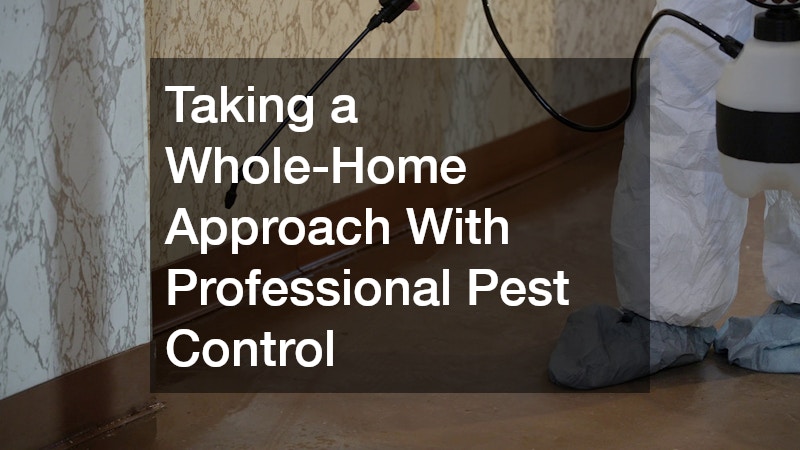
Not all dangerous pests crawl or invade quietly—some arrive in swarms or hide until they spread contaminants throughout your living spaces. Comprehensive exterminator services allow homeowners to treat multiple infestations at once and reduce risks across every level of the home. A whole-home approach attacks pests that damage property, trigger allergies, or degrade air quality.
Various threats like spiders, roaches, and insects often share hidden entry routes or moisture sources. Tackling one species without addressing others allows the problem to change rather than disappear. Full-scale pest management includes targeted removal, preventive barriers, interior and exterior treatments, and recommendations for long-term monitoring.
Clean, healthy homes start with eliminating the sources of contamination. Professionals evaluate humidity concerns, sanitation habits, and areas where pests store food or breed. By sealing cracks, improving ventilation, and maintaining deeper cleanliness, residents can enjoy cleaner breathing environments and a more sanitary household experience overall.
This approach fully supports indoor air quality and home safety solutions by reducing common irritants and discouraging health hazards from taking root again down the road.
Minimizing Water Damage to Prevent Long-Term Hazards
Water problems are some of the most costly and dangerous threats to household health. Even slow leaks can rot wood, damage drywall, and create toxic mold growth. When flooding or appliance failures strike, immediate action is essential. Professional water damage mitigation protects families by drying spaces quickly, salvaging structural materials, and preventing airborne contaminants from spreading.
Standing water compromises indoor air by raising humidity and enabling bacteria and fungi to thrive. In severe cases, contaminated water can bring harmful microorganisms into the home, requiring sanitization services to ensure safe living conditions. Odors, weakened floors, and discoloration are all indicators of hidden problems that can worsen if ignored.
Mitigation specialists extract moisture using industrial fans, dehumidifiers, and specialized drying tools to restore safe indoor environments. They also inspect for mold development, repair damaged materials, and recommend improvements such as better drainage, upgraded waterproofing, or improved insulation.
Every homeowner benefits from being proactive—especially in seasonal climates or older homes prone to leaks. Stopping moisture at the source reinforces indoor air quality and home safety solutions that protect families from respiratory issues and expensive future repairs.
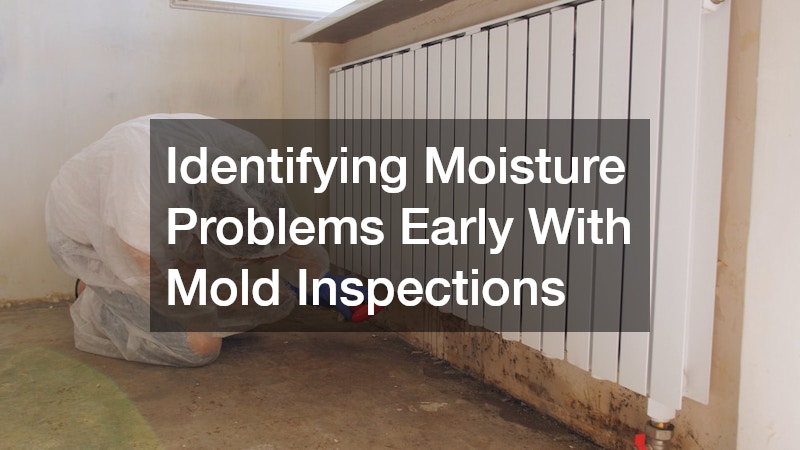
Identifying Moisture Problems Early With Mold Inspections
Before mold becomes a visible threat, it creates microscopic airborne spores that can spread through ducts and cause respiratory irritation. Regular mold inspection services help find early warning signs that homeowners may miss on their own. Inspections evaluate high-risk areas like crawl spaces, HVAC systems, bathrooms, and basements to determine whether invisible growth has started.
Professionals use specialized tools such as moisture meters, thermal imaging, and air quality testing to uncover conditions that allow mold to grow. The sooner these issues are identified, the easier they are to remedy. This protects both structural integrity and the wellness of those living inside. Inspection reports often reveal contributing factors such as leaks, ineffective ventilation, or condensation problems, providing clear guidance for corrective action.
Even homes without visible mold benefit from periodic inspections, especially after water-related events or before buying a property. Ensuring that your home remains mold-free allows families to breathe easier and reduces the risk of chronic health issues.
As part of indoor air quality and home safety solutions, mold inspections give homeowners peace of mind and protect against dangerous, hidden threats that spread quickly if left unchecked.
Repairing Windows to Promote Ventilation and Security
Windows play a major role in controlling temperature, air circulation, and safety. Damaged frames or cracked glass invite drafts, leaks, pests, and water intrusion—all of which affect air quality. Professional window repair services help restore secure seals and proper insulation so you can maintain a healthier living environment.
Older windows often struggle to keep conditioned air inside. Gaps allow dust, pollutants, and allergens to travel freely into the home, increasing breathing problems for sensitive individuals. Heat escape also leads to higher energy consumption, which encourages households to shut windows more often instead of ventilating when needed. Well-maintained windows support natural airflow, reducing humidity and discouraging mold growth.
Broken glass or loose locks add another source of anxiety and vulnerability. Repairs strengthen safety and ensure functional hardware that keeps intruders and pests out. Efficient windows not only improve wellness but also preserve the overall condition of walls, flooring, and furniture by preventing water damage.
Healthy home solutions prioritize secure, properly sealed windows because they limit environmental irritants and reinforce indoor air quality and home safety solutions that contribute to long-term comfort.
Protecting Your Home Above With Proper Roof Maintenance
Your roof is the first defense against weather, moisture, and falling debris. When shingles loosen, flashing deteriorates, or ventilation becomes blocked, indoor conditions deteriorate rapidly. A trustworthy local roofing company helps homeowners maintain clean, dry living environments while preventing expensive decay that spreads from the top down.
Roof leaks introduce moisture that travels through insulation, attic beams, and ceilings—leading to mold growth and structural weakness. Poor attic ventilation traps stale air and humidity, which fuels condensation and contributes to respiratory irritation. Proper roofing care includes inspections, repair of damaged areas, and upgrading ventilation systems that allow airflow to circulate effectively.
Replacing worn materials before they fail preserves energy efficiency, reduces allergens, and shields families from major hazards. Routine checkups prevent small problems from becoming emergencies, especially in homes exposed to significant seasonal weather changes. A strong, intact roof contributes significantly to family wellness and home longevity.