Home care is an essential service designed to help individuals maintain a good quality of life within the comfort of their own homes. It encompasses a wide range of services, from medical and social support to daily assistance with personal tasks such as bathing, dressing, and meal preparation.
As society evolves, home care has become more crucial than ever, providing a valuable alternative to assisted living facilities or nursing homes. This form of care allows individuals to retain their independence, which is often found to significantly enhance their overall well-being and satisfaction with life. Whether the support needed is short-term recovery following an illness or ongoing assistance due to chronic health issues, home care can be customized to meet diverse needs, making it a flexible option for many.
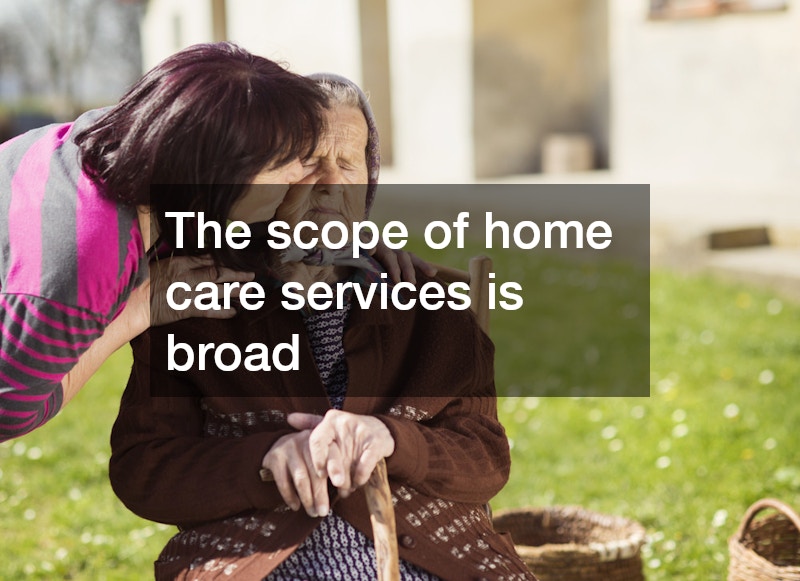
The scope of home care services is broad, ensuring it can be tailored to the specific requirements of each client. For instance, skilled nursing care can be provided by licensed professionals for medical needs, such as wound care or medication management. Non-medical care, on the other hand, might involve companionship, light housekeeping, or help with grocery shopping and transportation. This comprehensive approach helps to ensure that every facet of a person’s health and personal needs is adequately addressed. By offering such diverse services, home care providers can assist individuals in remaining in their homes far longer than might otherwise be possible, delaying or even eliminating the need for more institutionalized care.
One of the most significant advantages of home care is the personalized attention that clients receive. Unlike in institutional settings, where staff must divide their attention among numerous residents, home care enables providers to focus entirely on one individual at a time. This focused care leads to highly individualized service that can adjust rapidly to changing needs. Care plans are adaptable, developing alongside the client as their situation evolves. The result is a highly responsive level of care that promotes better health outcomes and improved satisfaction for both the client and their family.
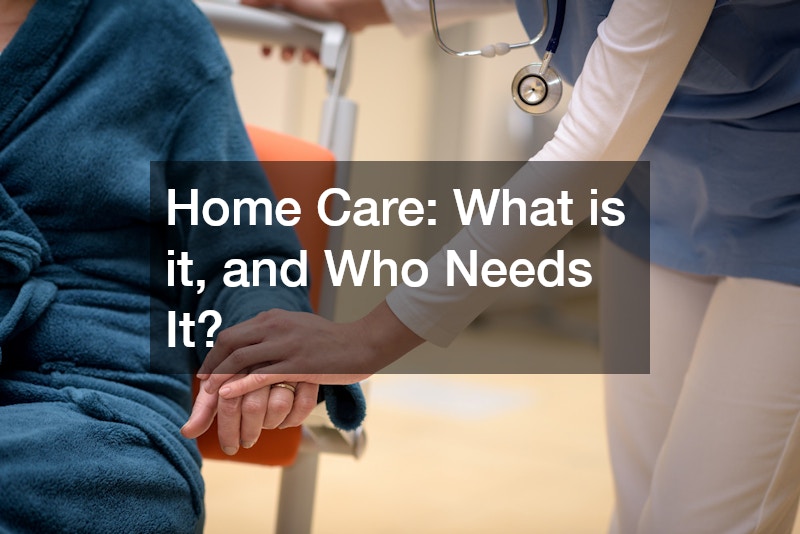
Who Needs Home Care?
Home care is beneficial for a diverse group of people, meaning the services can cater to a wide array of needs and circumstances. Older adults are among the primary recipients of home care, as the aging process can make everyday tasks increasingly challenging. Physical limitations or health conditions may hinder the ability to perform household chores or self-care activities independently. In such cases, home care serves as a lifeline, allowing older adults to age in place in a familiar environment, which can be comforting and help prevent the disorientation that sometimes results from moving to unfamiliar surroundings. Studies have shown that individuals who receive home care often experience greater satisfaction with their quality of life compared to those in more institutional settings.
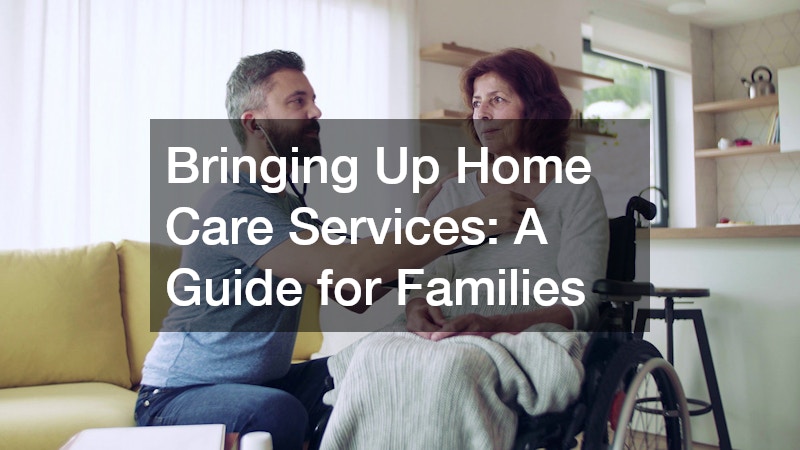
Besides the elderly, people recovering from surgery or dealing with chronic illnesses may also require home care. These individuals might need temporary assistance following a medical event or ongoing help managing a long-term condition like diabetes or chronic obstructive pulmonary disease (COPD). Post-operative care often involves ensuring proper medication adherence, diet management, and monitoring for potential complications. Chronic illness management may require more extensive interventions, such as regular monitoring and personal care assistance. Home care professionals are adept at handling such tasks, ensuring clients feel supported as they recover or manage their conditions over time.
Families facing challenges with childcare or individuals with disabilities can also significantly benefit from home care services. For parents of children with special needs, finding suitable care that addresses both educational and therapeutic requirements can be daunting. Home care can provide specialized services that adhere to a child’s unique needs, offering parents peace of mind and additional support. Similarly, adults with disabilities may need various forms of assistance to maintain their independence while living at home. Home care services can offer practical support, emotional encouragement, and a sense of community, ensuring these individuals can live fulfilling and autonomous lives despite any limitations they may face.
The Importance of Home Care
Home care is more than just a convenience; it’s a critical component of the healthcare continuum that enhances lives by delivering personalized care directly to individuals in their own homes. This approach is not only about offering assistance but also empowering clients by preserving their independence and dignity. The comfort and familiarity of home can significantly improve emotional well-being, often leading to faster recovery times and better overall health outcomes. In addition, for many, the ability to stay at home and maintain social connections with their communities is invaluable. This service model respects clients’ autonomy and prefers solutions that prioritize their personal wishes and needs.
The flexibility of home care makes it an adaptable service that can grow along with clients’ needs. As highlighted previously, care plans are generally customizable, meaning they can be adjusted as the client’s health status or personal circumstances change. For example, someone might initially require minimal help with daily activities but then need more comprehensive care following a change in health status. Home care providers can expand or modify services accordingly, ensuring ongoing support that aligns with the client’s requirements. This adaptability makes home care a sustainable and attractive option for many, reducing the stress and upheaval associated with transitioning to different care settings as needs evolve.
Beyond the client’s immediate benefits, home care also eases the burden on family members who might otherwise feel obligated to take on caregiving responsibilities. The peace of mind knowing that a loved one has professional support allows family members to maintain their well-being and fulfill other obligations, like work and raising children. This balanced approach supports better family dynamics, as stress related to caregiving can often strain relationships. As the population ages and healthcare systems continue to face pressure, home care offers a viable solution that benefits individuals, families, and the broader community. Through skilled care and compassionate support, home care providers create a foundation for dignified, independent living among their clients.