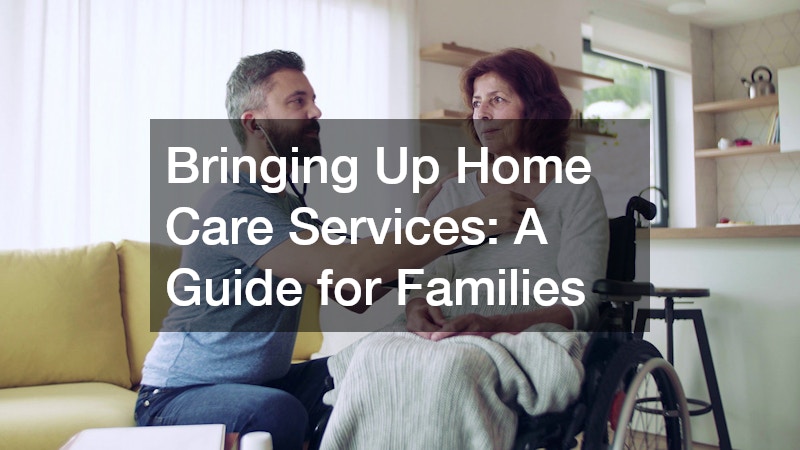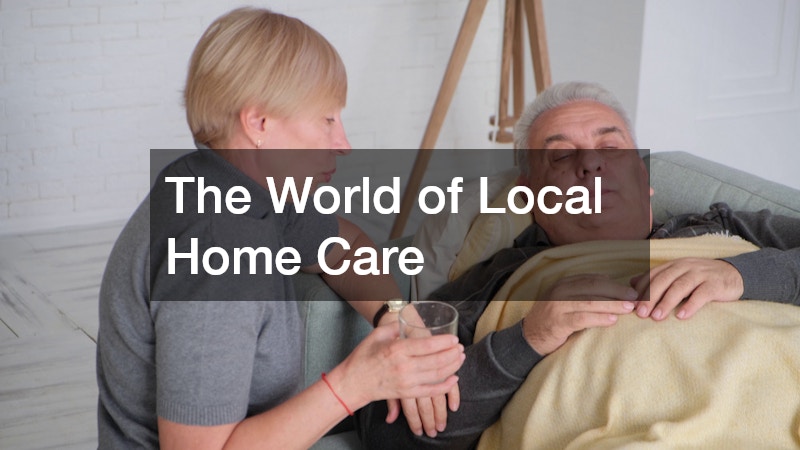
Local Home Care emerges as a crucial service, offering personalized support tailored to individual needs within their community. As society evolves, the demand for such services grows, driven by an aging population seeking comfort in familiar surroundings. Unlike traditional institutional care, Local Home Care emphasizes independence and personal preferences, aiming to enhance quality of life.
This form of care is particularly beneficial for those who prioritize remaining in their own homes while still receiving necessary support. The emphasis on community-based assistance integrates individuals with their surroundings, fostering a sense of belonging and well-being.
One of the primary benefits of Local Home Care is the ability to deliver personalized care plans. These plans are designed to meet the unique needs of each client, ensuring they receive the exact assistance required. This level of customization cannot be matched by care facilities where standardized procedures often take precedence over individual preferences. Moreover, Local Home Care providers often possess deep knowledge of community resources, making them adept at connecting clients with other local services. This holistic approach enhances overall care and provides a more integrated support system for the individual.
Financial considerations also play a significant role in the appeal of Local Home Care. Often, these services are more cost-effective than full-time institutional care. Clients can choose services à la carte, paying only for what they need, which creates a more manageable financial situation. Additionally, local care providers understand the economic landscape of their communities, offering pricing structures that reflect local realities. This affordability, paired with personalized care, makes Local Home Care an attractive option for many families navigating care options for their loved ones.
The Benefits to Clients and Families
Local Home Care significantly benefits not just the clients, but their families as well. For the elderly and those needing medical support, staying in a familiar environment can reduce stress and improve emotional well-being. Family members, knowing their loved ones are receiving one-on-one attention in their own home, experience peace of mind. The presence of local caregivers also allows families to balance their time and responsibilities without the guilt that might accompany less personalized care solutions. Local Home Care bridges the gap between independent living and medical oversight, ensuring safety without sacrificing autonomy.
Another advantage is the flexibility that Local Home Care provides. Care schedules can be adjusted to fit the client’s routine and preferences rather than conforming to a rigid institutional timetable. This adaptability extends to the level of medical or personal care needed, from simple companionship to more intensive nursing care. The structure of Local Home Care allows for swift alterations to care plans in response to changes in the client’s condition. Such responsiveness is a cornerstone of quality care and plays a vital role in maintaining a high standard of living for clients.
Family dynamics also benefit from Local Home Care, as caregivers can relieve the stress that comes from attempting to balance care duties with personal and professional obligations. By providing professional support, families can engage with their loved ones in a more relaxed and loving manner. This shift allows families to enjoy quality time together, strengthening bonds in the process. Furthermore, family members can be involved in care decisions and processes, fostering transparency and collaboration. This participatory aspect of care delivers a comprehensive support network for clients and their families alike.
Challenges and Considerations in Local Home Care
Despite numerous benefits, Local Home Care does not come without its challenges. Coordination can be complex, particularly when multiple service providers are involved. This complexity requires diligent management to ensure consistent and coherent care. Furthermore, caregiver availability can become an issue, especially in rural areas where the talent pool may be limited. Families may need to invest significant time in researching and vetting caregivers to find those who are truly compatible with their loved one’s needs and personalities.
Communication is another critical factor in the effectiveness of Local Home Care. Effective communication between caregivers, clients, and families is essential to ensure that care plans are properly executed and understood. This often involves regular meetings and updates, which can be both time-consuming and challenging to coordinate. The development of a strong communication strategy is vital to overcoming these hurdles and must be prioritized. Improving communication channels can dramatically enhance the care experience, fortifying the trust and rapport between all parties involved.
Finally, there are financial and legal considerations that families must navigate when engaging Local Home Care services. Insurance policies may not always cover non-institutional caregiving, necessitating a thorough review to understand coverage options. Legal considerations, such as employment contracts and liability, can also create complexities that families need to be aware of. By proactively addressing these issues, families can ensure smoother transactions and protect both their loved ones and themselves. These steps, while often daunting, are necessary to fully enjoy the benefits that Local Home Care has to offer.