As families navigate the complexities of providing care for their aging or ailing loved ones, in-home health care emerges as a potential solution. This type of care can meet the unique needs of individuals while allowing them to remain in the comfort of their own homes. However, deciding if it’s the right path involves understanding many factors. In-home health care provides a spectrum of services that can be customized according to the patient’s specific needs, making it a flexible care option. Deciding on this path requires careful consideration of several elements, from the patient’s health requirements to the logistical and emotional aspects of in-home care.
What are the Benefits of In-Home Health Care?
One of the primary benefits of in home health care is the personalized attention it offers. Unlike in institutional settings where caregivers tend to multiple patients, in-home care provides one-on-one attention tailored to the specific needs of your loved one. This personalized care ensures that the patient receives the right level of assistance in everyday activities, medical support, and emotional companionship. Moreover, in-home care allows caregivers to build a rapport and a deeper understanding of the patient’s personality, needs, and preferences, further enhancing the quality of care. This personalized interaction fosters a nurturing environment conducive to the patient’s well-being.
Another advantage is the ability for patients to maintain their independence while receiving care. Remaining in a familiar environment can greatly enhance a patient’s comfort and ease, minimizing the stress and anxiety that often accompany transitioning to a new living condition, like a nursing home. Independence is particularly important for individuals who have the cognitive ability to make decisions and wish to manage their own lives as much as possible. In-home care supports this by offering assistance that empowers rather than overpowers. This balance allows patients to maintain dignity and self-reliance, which can significantly improve their mental health and overall quality of life.
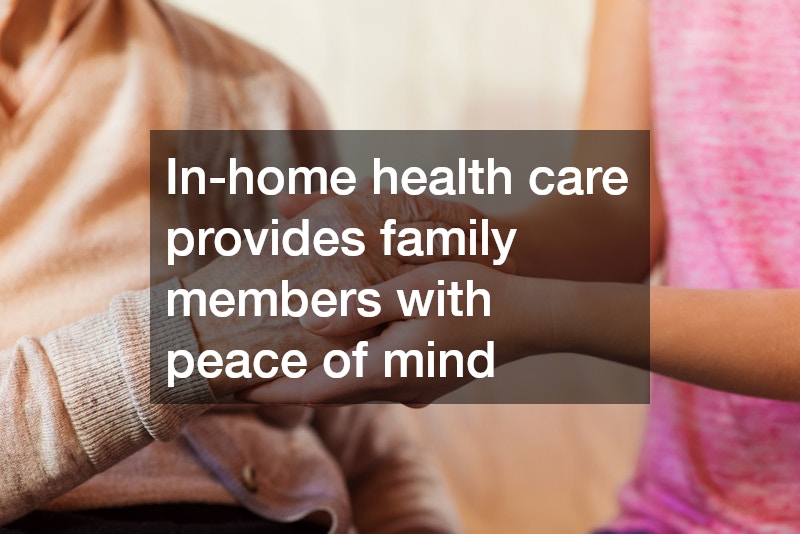
Furthermore, in-home health care provides family members with peace of mind knowing their loved one is well cared for. Having professional caregivers attend to the daily needs of family members ensures safety and well-being while allowing family members the time to manage other obligations without constant worry. This balance is important for the emotional well-being of the entire family, reducing instances of caregiver burnout and stress. Additionally, with regular updates and communication from caregivers, families stay informed about their loved one’s health and can actively participate in care decisions. This integrated approach not only benefits the patient but also strengthens family bonds.
How to Assess if Your Loved One is a Good Candidate for In-Home Health Care?
Assessing whether your loved one is a suitable candidate for in-home health care starts with their health needs. Evaluate the level of medical attention required, from basic daily care to more intensive medical care. Conditions such as chronic illnesses or limited mobility may greatly benefit from the continuity and specialized services that in-home care provides. Additionally, understanding the frequency and type of care needed helps in customizing an efficient care plan that meets the health needs adequately. A comprehensive evaluation usually involves consultations with healthcare professionals to ensure that the chosen care path aligns with medical recommendations.
Safety is another crucial factor in determining the suitability of in-home health care. Consider the living environment and whether modifications are necessary to accommodate mobility challenges or medical equipment. Home safety assessments can identify potential hazards and recommend changes to better fit the care needs of your loved one. Furthermore, ensuring that the geographical location allows for easy access to emergency services or medical facilities is important in maintaining a safe environment. In many cases, simple adjustments in the home can create a comfortable, accessible setting that enhances the effectiveness of in-home care services.
Lifestyle preferences and social aspects should not be overlooked. Your loved one’s desire for independence, social interaction, and familiar routines are important considerations when choosing in-home health care. Some individuals may thrive in their own home where they can maintain a sense of normalcy and continue their daily routines with minimal disruption. Additionally, home-based care can provide opportunities for social engagement by facilitating visits from friends and family more freely than institutional settings might allow. This ability to preserve a preferred lifestyle contributes significantly to emotional and mental well-being, making in-home care a viable and attractive option for many families.
What are the Costs and Considerations of In-Home Health Care?
The financial aspects of in-home health care require careful planning and consideration. Knowing the potential costs involved is crucial in preparing a budget that accommodates these expenses without undue strain. Costs can vary widely depending on the level of care required, ranging from occasional assistance to full-time medical supervision. Families must explore insurance coverage options and understand what aspects of care are covered under different policies. Long-term care insurance, Medicare, and Medicaid are resources that may provide financial assistance, but it’s essential to have a clear understanding of coverage limitations and requirements.
Choosing the right care path for your loved one is a significant decision often filled with questions and concerns. By understanding the aspects and evaluating your loved one’s needs, you can make an informed choice about whether in-home health care is the right solution. Assess the specific health requirements, safety concerns, lifestyle preferences, and financial considerations to guide the decision-making process. In-home care offers a personalized and flexible approach to caregiving, potentially enhancing the quality of life for both the patient and their family. Remember, the primary goal is to ensure your loved one receives the best possible care, support, and companionship as they navigate their health journey.