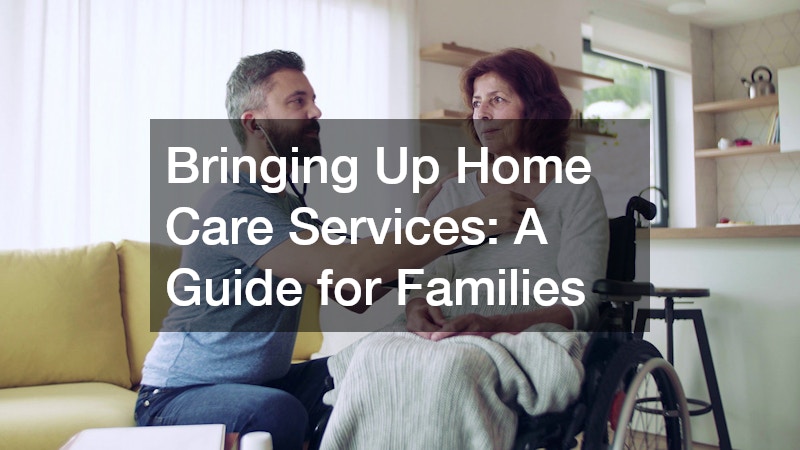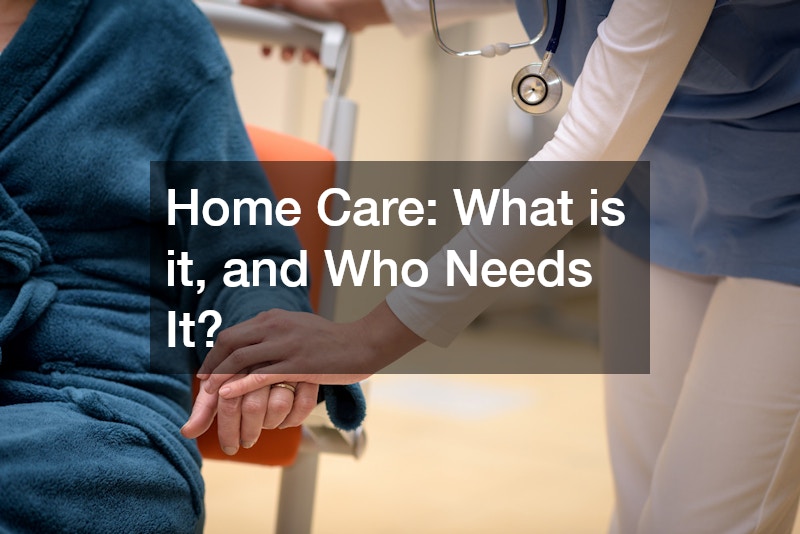
Caring for an aging parent, recovering family member, or loved one with a chronic illness can be challenging. Many families want their loved ones to remain in the comfort of their own homes while still receiving the support they need. This is where professional care providers can make a significant difference. Home health care services offer personalized medical and non-medical assistance that allows individuals to maintain independence while receiving proper care in a familiar environment.
These services have become increasingly popular as families look for flexible and compassionate solutions for long-term care. Understanding how in-home care works and the benefits it offers can help families make informed decisions about supporting their loved ones.
Comfort and Familiarity of Home
One of the greatest advantages of in-home care is that individuals can remain in a place that feels safe and familiar. Moving to a hospital or assisted living facility can be emotionally difficult, especially for seniors who have lived in the same home for many years.
Being surrounded by personal belongings, memories, and a familiar neighborhood often has a positive impact on emotional well-being. When people stay in their own homes, they are more likely to feel relaxed and maintain a sense of independence.
Home health care services make it possible for individuals to receive professional assistance while still enjoying the comfort and stability of their everyday surroundings.
Personalized and Individualized Care
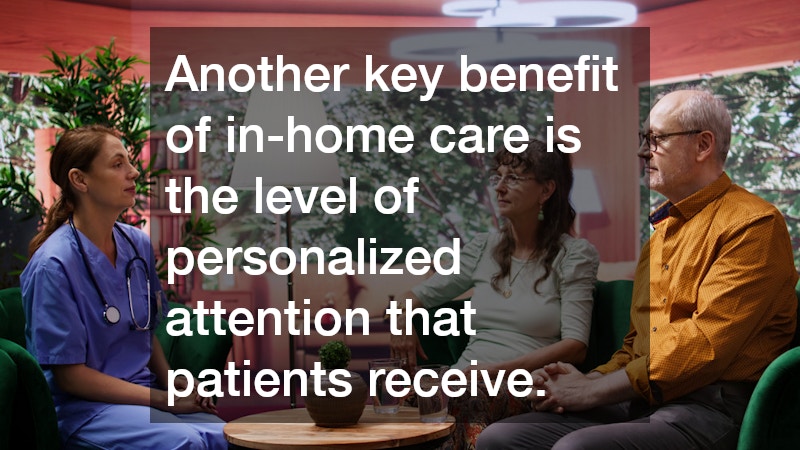
Another key benefit of in-home care is the level of personalized attention that patients receive. Unlike larger medical facilities where caregivers must divide their attention among many patients, in-home caregivers focus on the specific needs of one individual.
Care plans can be customized based on the patient’s medical condition, mobility level, and daily routine. This personalized approach ensures that each person receives the right type of assistance and support.
For example, some individuals may require help with medication management, physical therapy exercises, or wound care, while others may only need assistance with daily activities such as bathing, dressing, or meal preparation.
Assistance with Daily Activities
Daily tasks can become difficult for people recovering from surgery, managing chronic illness, or experiencing age-related mobility challenges. Simple activities like cooking, cleaning, or getting dressed may become overwhelming without help.
Caregivers provide valuable support by assisting with these everyday tasks. This may include help with grooming, preparing nutritious meals, light housekeeping, and transportation to appointments.
By providing assistance with daily responsibilities, caregivers help reduce stress and ensure that individuals maintain a safe and healthy routine.
Improved Health Monitoring
Regular health monitoring is another important benefit of in-home care. Professional caregivers are trained to observe changes in a patient’s condition and report concerns to family members or medical professionals.
This monitoring can help identify potential health issues early before they become serious problems. Caregivers may track vital signs, monitor medication schedules, and ensure that treatment plans are followed correctly.
With home health care services, families gain peace of mind knowing that a trained professional is paying close attention to their loved one’s health and well-being.
Emotional Support and Companionship
Health care is not only about physical well-being; emotional health is equally important. Many seniors and individuals with limited mobility experience loneliness and isolation, especially if they live alone.
Caregivers provide companionship and meaningful interaction that can greatly improve a person’s quality of life. Conversations, shared activities, and simply having someone present can make a significant difference in a person’s mood and outlook.
Companionship helps individuals stay mentally engaged and reduces feelings of loneliness, which can contribute to better emotional health overall.
Support for Family Caregivers
Family members often take on the responsibility of caring for loved ones, but this role can be physically and emotionally demanding. Balancing caregiving duties with work, parenting, and other responsibilities can lead to burnout.
Home health care services can provide much-needed relief for family caregivers. Professional caregivers can step in to assist with daily tasks, medical care, or supervision, allowing family members to take breaks and focus on their own well-being.
This support helps families maintain a healthier balance while ensuring their loved ones continue to receive proper care.
Enhanced Safety at Home
Safety is a major concern for individuals who have mobility issues or health conditions that increase the risk of accidents. Falls, medication errors, and household hazards can pose serious risks without proper supervision.
Caregivers help reduce these risks by creating a safer living environment. They may assist with mobility, ensure that medications are taken correctly, and help identify potential hazards within the home.
Home health care services offer personalized care, health monitoring, companionship, and support with daily tasks. They also provide valuable relief for family caregivers while promoting safety and independence for those receiving care.
As more families look for ways to support aging or recovering loved ones, home health care services continue to play an important role in improving quality of life. By choosing the right care provider, families can ensure that their loved ones receive the attention, comfort, and support they deserve.