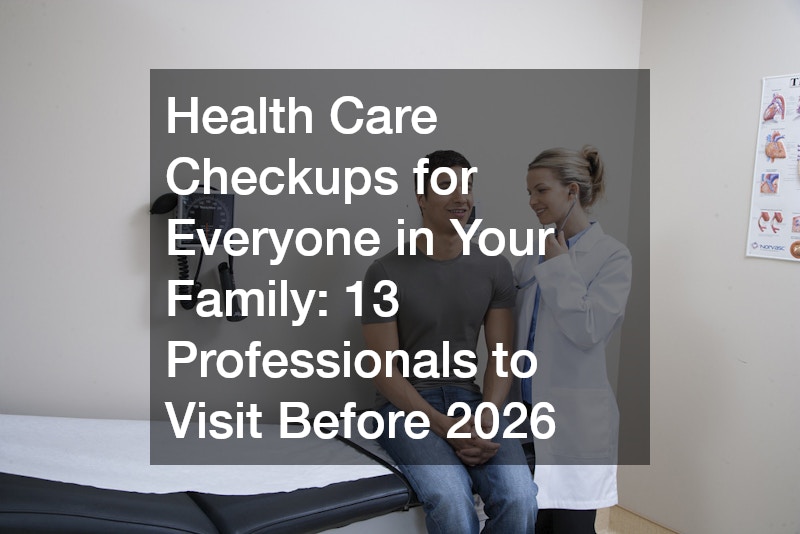
Families often focus on solving health issues only when they appear, but building a proactive care network can make a significant difference in long-term well-being. A strong support system involves more than occasional doctor visits. It includes a coordinated group of professionals and services that work together to support every stage of life.
From preventative checkups to specialized therapies and safe living environments, each part of the network contributes to overall family wellness. Parents, children, and aging relatives all benefit from having reliable care options ready before problems arise. Planning also reduces stress during emergencies and makes it easier to respond to changing health needs.
Creating this type of network requires thoughtful planning and awareness of the services available in your community. Families who take time to establish relationships with healthcare providers and supportive services often experience better outcomes and greater peace of mind.
Below are practical strategies to help families build a comprehensive care network that supports physical health, safety, and long-term quality of life.
Prioritize Preventive Health Checkups for Every Family Member
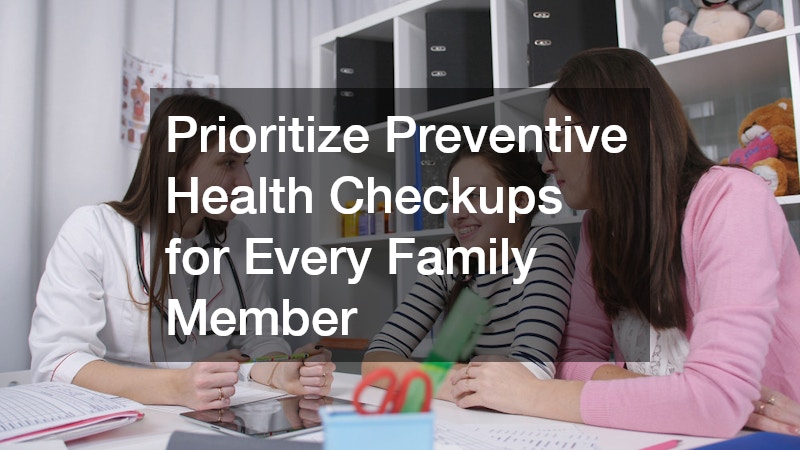
Preventive care forms the backbone of a strong family health strategy. Rather than waiting for symptoms to appear, routine medical visits allow healthcare providers to detect potential issues early and recommend lifestyle adjustments before problems escalate.
Scheduling regular appointments with providers offering primary care services helps families stay organized and proactive about their health. These professionals often serve as the central coordinators of medical care, maintaining records, monitoring chronic conditions, and recommending specialists when necessary.
Parents can create a yearly health calendar that includes physical exams, vaccinations, and wellness screenings for each family member. Tracking appointments digitally or with a shared family planner can make scheduling easier.
Another helpful strategy is to keep a centralized medical file that includes insurance information, medication lists, and previous diagnoses. Having this information readily available simplifies communication with healthcare providers and reduces confusion during appointments.
Preventive care also includes lifestyle guidance. Many providers offering primary care services help families manage nutrition, exercise habits, sleep patterns, and stress levels. Over time, these routine conversations contribute to healthier daily routines and long-term disease prevention. Families can even schedule brief check-ins by phone or telehealth to discuss minor health questions without waiting for in-person visits.
Encourage Consistent Oral Health Habits at Home
Oral health plays a vital role in overall wellness. Poor dental hygiene can contribute to issues ranging from gum disease to infections that affect other parts of the body, including the heart.
Families benefit from establishing regular visits with a qualified dentist who can monitor oral health and provide preventive treatments. Professional cleanings remove plaque buildup that brushing alone cannot eliminate, while routine examinations allow dentists to identify cavities, alignment issues, or gum disease early.
Creating consistent home habits is equally important. Encouraging children to brush twice a day, floss regularly, and limit sugary snacks helps build lifelong routines that protect their teeth. Parents can model these habits themselves to reinforce the importance of oral care.
Making oral care engaging for children can improve compliance. Timers, reward charts, and fun brushing songs can turn hygiene routines into a game. For adults, regular communication with a dentist about issues like sensitivity, jaw pain, or dry mouth ensures early intervention and reduces the need for complex procedures later.
Explore Modern Orthodontic Options for Long-Term Dental Alignment
Dental alignment affects both appearance and function. Misaligned teeth can make chewing difficult, increase wear on enamel, and contribute to jaw discomfort over time. Early intervention often prevents long-term dental complications.
Many families are now considering discreet orthodontic solutions such as invisalign to correct alignment issues without traditional metal braces. These clear aligners gradually shift teeth into place through a series of customized trays designed for comfort and convenience.
One of the advantages of Invisalign is flexibility. Aligners can be removed during meals and oral hygiene routines, making it easier to maintain proper dental care throughout treatment. Periodic check-ins with the orthodontist ensure progress is tracked and adjustments are made as needed.
Parents considering orthodontic care for teens should assess compliance habits since aligners require consistent wear to be effective. Adults can also benefit from these modern options, improving alignment discreetly without interfering with professional or social interactions.
Addressing alignment issues early or later in life can improve oral hygiene, reduce discomfort, and enhance confidence, supporting overall family health and comfort.

Protect Vision Through Routine Eye Health Monitoring
Vision changes can occur gradually, making them difficult to notice until they interfere with daily activities. Regular eye care ensures that problems are detected early, monitored consistently, and managed effectively to prevent long-term complications.
Scheduling an annual eye exam allows optometrists to assess vision clarity, eye coordination, and the health of internal eye structures. These evaluations help identify concerns such as nearsightedness, farsightedness, astigmatism, or early signs of eye disease.
Children particularly benefit from routine vision screenings, as uncorrected issues can affect academic performance, learning, and confidence. Adults should also prioritise an annual eye exam, especially if they spend long hours using computers or digital devices, which can lead to eye strain, dry eyes, or headaches.
Simple lifestyle adjustments between appointments—like taking regular breaks from screens, adjusting lighting, using anti-glare filters, practicing eye exercises, and wearing prescription lenses as recommended — can reduce strain and fatigue. For families with multiple members, coordinating appointments together may simplify scheduling and reinforce the importance of eye health.
Regular eye care supports safe driving, comfortable reading, and improved productivity, making it an essential component of a complete family care network and a foundation for long-term visual wellness.
Monitor Skin Health and Address Concerns Early
Skin health is often overlooked until visible problems appear. The skin acts as the body’s first line of defense against environmental stressors, making preventive care critical for overall health, comfort, and self-confidence.
Routine visits with a dermatologist can help families address a wide range of issues, including acne, eczema, psoriasis, sun damage, or suspicious moles that may signal skin cancer. Children with sensitive skin may benefit from professional guidance to prevent discomfort, allergic reactions, or long-term damage.
Parents can establish home routines, such as applying broad-spectrum sunscreen daily, using gentle or hypoallergenic skincare products, moisturizing regularly, and monitoring any changes in moles, rashes, or lesions. Documenting unusual skin changes with photos or notes allows families to provide the dermatologist with accurate information for evaluation.
For adults, professional skin assessments support prevention strategies against skin cancer and chronic conditions. Families can adopt lifestyle adjustments like wearing protective clothing, limiting sun exposure during peak hours, staying hydrated, maintaining a balanced diet rich in vitamins for skin health, and avoiding harsh chemicals or abrasive treatments to maintain skin resilience.
Maintaining healthy skin contributes not only to physical well-being but also to confidence, comfort, and long-term wellness. Establishing consistent habits early fosters a family-wide culture of proactive self-care and helps prevent complications before they become serious concerns.
Incorporate Movement-Based Therapies for Recovery and Strength
Physical activity is essential for maintaining mobility, flexibility, and overall health. Therapeutic exercise can be particularly helpful for individuals recovering from injuries, managing chronic conditions, or seeking to prevent age-related decline.
Programs such as aquatic therapy provide a low-impact environment where patients can rebuild strength without placing excessive stress on joints. Water’s buoyancy supports gentle movement while resistance promotes muscle strengthening, balance, and coordination.
Healthcare professionals often recommend aquatic therapy for individuals recovering from surgery, arthritis, or other mobility limitations. Families with aging relatives may find it particularly beneficial, offering safe ways to remain active while reducing the risk of falls.
Even individuals without injuries can incorporate water-based exercises into regular routines. Swimming, water aerobics, or structured aquatic programs enhance cardiovascular health, increase endurance, improve mental well-being, and support joint flexibility.
Integrating these therapy options into a family care plan helps maintain physical resilience, promotes recovery after injury, encourages long-term wellness habits, and provides enjoyable, low-impact ways for the whole family to stay active together.
Seek Professional Guidance for Spinal Alignment and Mobility
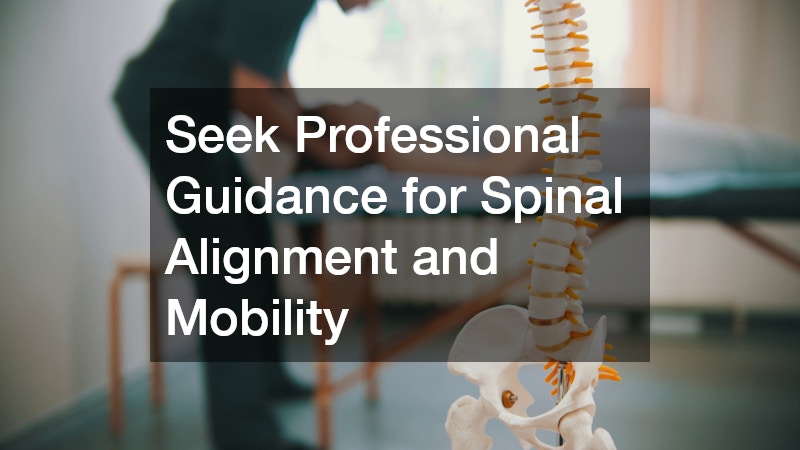
Back and neck discomfort can affect productivity, sleep quality, and overall comfort. Posture, repetitive movements, and sedentary habits often contribute to musculoskeletal strain.
Consulting qualified chiropractors can help address these concerns through manual adjustments, targeted exercises, and ergonomic recommendations. Providers often create individualized plans tailored to the needs of each family member.
Many patients seek care from chiropractors to alleviate chronic pain, headaches related to posture, or tension from prolonged sitting. In addition to adjustments, specialists may suggest home exercises, stretching routines, or ergonomic improvements to sustain long-term benefits.
Families can also establish healthy posture habits at home by setting up workstations correctly, adjusting chair height, and encouraging movement breaks throughout the day. Supporting spinal health helps everyone remain active, comfortable, and productive.
Maintain a Safe and Healthy Home Environment
Health extends beyond medical care. The physical environment at home significantly influences respiratory health, comfort, and safety, affecting everyone from young children to older adults.
Moisture issues can lead to mold growth that impacts indoor air quality and may trigger allergies, asthma, or other respiratory problems. When contamination occurs, professional mold removal companies provide comprehensive remediation to ensure the home is safe for all occupants.
Experts from mold removal companies locate hidden growth behind walls, under flooring, or inside ventilation systems, remove affected materials, and implement strategies to prevent recurrence. Preventative measures at home—like improving ventilation, promptly fixing leaks, maintaining clean gutters, controlling humidity with dehumidifiers, and monitoring basements or crawl spaces—help maintain a dry, healthy environment.
Maintaining a safe home also includes reducing chemical exposure from cleaning products, monitoring indoor air quality with sensors, and establishing regular cleaning routines that minimize dust and allergens. When the home environment actively supports wellness, families experience fewer health issues, better sleep, and overall improved comfort.
Plan for Aging Family Members’ Living Needs
As family members grow older, their living arrangements may need to adapt to changing health conditions. Early planning ensures safe, supportive options are in place before urgent decisions are necessary, reducing stress and allowing families to choose the most suitable environment rather than making reactive choices during a crisis.
Facilities offering assisted living facilities provide structured environments where older adults receive help with daily activities while maintaining independence. Services often include medication management, meal preparation, housekeeping, personal care support, transportation assistance, and social programming to promote mental and emotional well-being.
When evaluating assisted living facilities, consider staff qualifications, safety protocols, access to on-site or nearby medical care, recreational and educational opportunities, and community culture. Visiting multiple facilities, speaking with current residents and their families, and reviewing inspection reports can provide valuable insights into quality and comfort.
Planning allows families to make thoughtful decisions that balance independence with safety, fostering social connections, routine health monitoring, and daily support. This proactive approach provides peace of mind and helps ensure aging family members thrive in environments designed for their evolving needs.

Connect With Community Support Resources During Difficult Times
Unexpected life challenges can disrupt housing stability and overall well-being. Knowing about local resources ensures families have access to support when needed.
Organizations providing shelters offer temporary housing, meals, and essential services for individuals and families facing emergencies or displacement. Many also offer programs like counseling, job placement support, and connections to long-term housing.
Being familiar with local shelters and emergency resources allows families to respond quickly during crises, reducing stress and improving outcomes. Families may also benefit from community outreach programs, nonprofits, or government services to secure additional assistance.
Maintaining awareness of these support systems is an essential part of a complete family care network, ensuring stability and support when unexpected circumstances arise.
Creating a strong family health network involves more than scheduling medical appointments. It requires proactive planning, coordination between healthcare providers, therapeutic services, and safe living environments. Each component contributes to prevention, recovery, and long-term wellness.
Families who build these connections and remain informed about available resources are better prepared to manage routine needs and unexpected challenges. This proactive approach fosters healthier lifestyles, reduces stress during difficult times, and strengthens overall quality of life.
Investing time in building a comprehensive care network today ensures every family member receives the support they need for a healthier, more secure future.