For many older adults, the desire to remain in the familiar surroundings of their own home is a top priority, yet achieving this often requires a level of professional support that can seem financially out of reach. This is where the strategic use of federal health benefits becomes essential, as modern coverage options have evolved to meet the increasing demand for specialized assistance in a domestic setting. By leveraging these benefits effectively, individuals can access senior home care services that bridge the gap between medical necessity and personal comfort.
Expanding Access to Essential Medical Services
Through comprehensive federal programs, eligible individuals can now receive a variety of skilled services that were once exclusive to hospitals or specialized clinics. This shift is designed to ensure that clinical standards are maintained in a residential setting, allowing patients to recover or manage conditions without the stress of frequent travel.
By focusing on home-based delivery, the healthcare system acknowledges the therapeutic value of a familiar environment in the healing process.
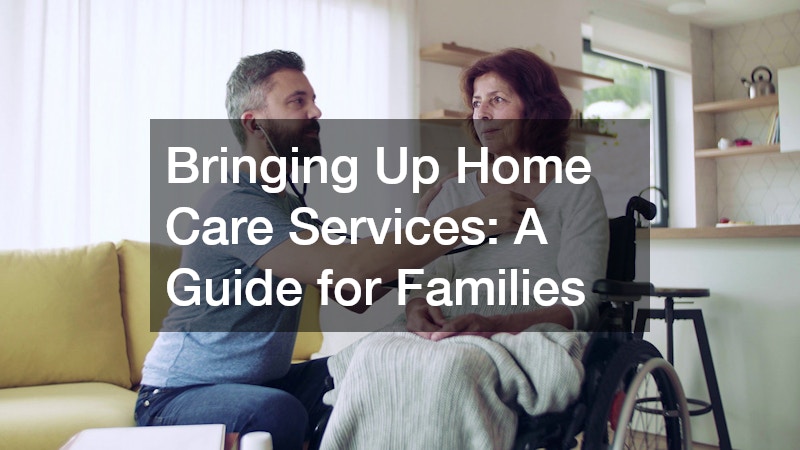
Medicare Part A and Part B provide coverage for a robust suite of intermittent skilled services, including wound care for surgical recoveries, intravenous therapy, and even speech-language pathology. To qualify in 2026, a patient must be certified as “homebound” by a physician, meaning that leaving the residence requires a taxing effort or the assistance of a mobility device. Once this criteria is met, a certified agency can dispatch registered nurses and therapists to perform clinical tasks that are medically necessary for the patient’s recovery.
Reducing Out-of-Pocket Costs for Professional Care
One of the most significant advantages of utilizing insurance-backed home services is the substantial mitigation of financial strain on seniors and their families. Professional care can be prohibitively expensive when paid for entirely out-of-pocket, often forcing families to make difficult decisions regarding the level of support they can afford. However, when these services are deemed medically necessary and ordered by a healthcare provider, the cost-sharing structure changes dramatically. This financial protection allows beneficiaries to redirect their fixed incomes toward other essentials, like nutritious food and housing, rather than exhausting their savings on basic medical supervision.
Enhancing Safety and Independence at Home
Integrating professional assistance into the home serves as a proactive measure against the common accidents and setbacks that often lead to permanent institutionalization. Many seniors find that their independence is threatened not by their health conditions alone, but by the physical risks present in an unmonitored living environment. By bringing trained professionals into the home, the living space is transformed into a managed environment where risks are identified and mitigated. This support allows individuals to maintain their daily routines and personal autonomy for a much longer period than they could if left entirely to their own devices.
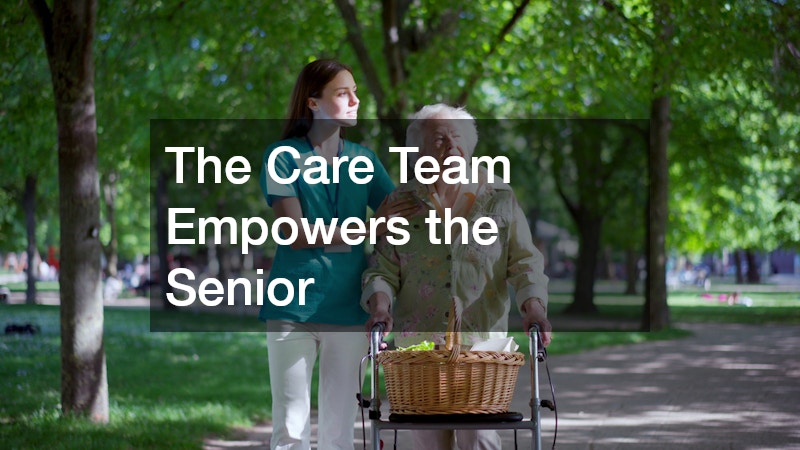
A key component of this safety net involves the use of home health aides who assist with activities of daily living, such as bathing and dressing, provided these services are part of a broader skilled care plan. By addressing these practical safety concerns, the care team empowers the senior to navigate their home with greater confidence, effectively preserving the independence that comes with living in one’s own space.
Improving Overall Quality of Life for Seniors
The most profound impact of home-based professional support is the holistic improvement in a senior’s daily experience and emotional well-being. Quality of life is not merely the absence of disease, but the presence of social connection, comfort, and the ability to participate in meaningful activities. When medical needs are met seamlessly at home, the stress of the “patient” identity is diminished, allowing the individual to focus on being a family member, a neighbor, and a person with hobbies and interests. The peace of mind that comes from knowing help is available provides a psychological boost that is just as important as any clinical treatment.
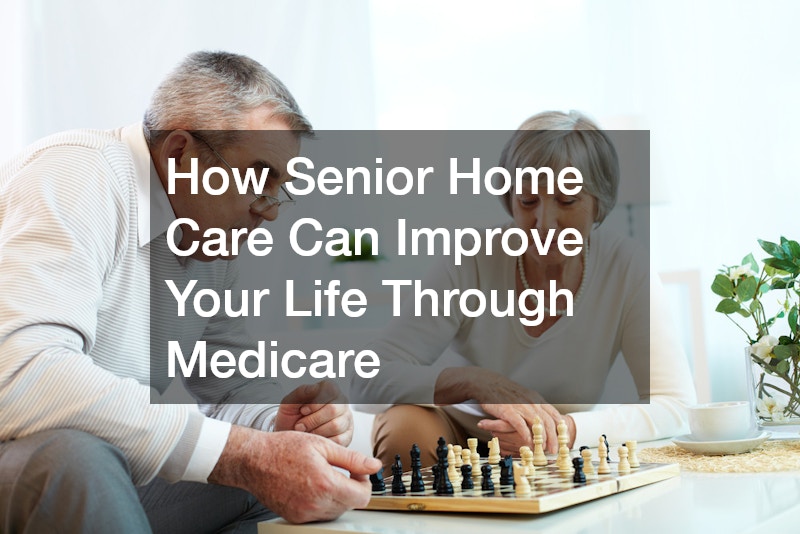
By reducing the isolation that often accompanies aging and illness, home care services address the emotional health of the senior. The presence of a caregiver provides consistent social interaction, which has been shown to reduce the risk of depression and cognitive decline. When a senior feels safe, physically supported, and socially connected, their overall outlook on life improves, proving that the right care at the right time is the key to a flourishing retirement.
By understanding the specific ways that Medicare can be utilized—from covering skilled nursing to providing the safety of home health aides—individuals and their families can build a support system that honors the desire for independence. Embracing these services is more than a medical decision; it is a commitment to maintaining a high quality of life and ensuring that the home remains a sanctuary of health and happiness for years to come.