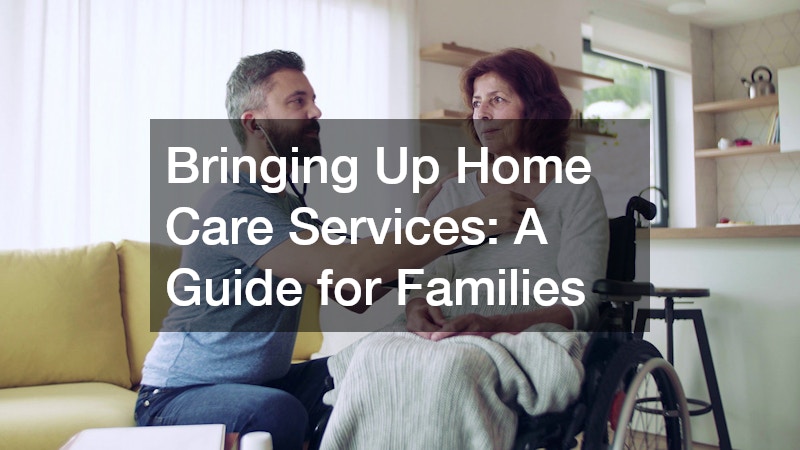
This guide explores vital considerations for families contemplating home care services. Making informed choices ensures loved ones’ well-being while supporting family caregivers. Home care provides support without sacrificing the comfort of home. We’ll discuss choosing, implementing, and optimizing home care to maintain dignity and independence. With understanding and planning, families can seamlessly integrate home care services.
What are Home Care Services?
Definition and Scope
Home care services cover supportive care at home for those needing help with daily tasks due to age, illness, or disability. These services range from medical care to companionship, focusing on individual needs to maintain dignity at home.
Flexibility and personalization distinguish home care from institutional care.
Types of Services Offered
Home care services vary widely, from medical to non-medical support. Medical care includes professionals like nurses, while non-medical care assists with daily living. Understanding required services helps choose the best care, providing both immediate aid and enriching lives.
Qualifications of Home Care Providers
Qualifications, experience, and compassion define home care providers. Formal training is essential for safe, tailored care, while empathy and communication skills enhance client relationships. It is also important for providers to maintain up-to-date certifications to adapt to evolving care guidelines and practices. Families should verify provider credentials to ensure quality care.
What Are the Benefits of Home Care Services?
Enhanced Independence for Loved Ones
Home care enhances independence by allowing individuals to stay in familiar environments. This fosters self-reliance and psychological well-being, encouraging personal abilities and a positive outlook.
Emotional Comfort of Staying Home
Home settings offer emotional comfort, stability, and connection. Personal spaces provide familiarity, fostering continuity and resilience during care transitions.
Personalized Care and Attention
Home care delivers tailored attention to individual preferences, significantly enhancing health outcomes and strengthening caregiver relationships, which leads to a more personalized and comprehensive care experience. Through close interactions, caregivers are able to foster proactive interventions, address specific health needs promptly, and provide continuous feedback, resulting in higher satisfaction and better overall wellbeing for the individuals receiving care.
Cost-Effectiveness Compared to Other Options
Home care can be cost-effective, with adaptable services aligned with budgets. Flexible financial planning allows families to manage expenses without compromising care quality.
Support for Family Caregivers
Home care supports family caregivers, balancing care responsibilities and personal life. Services offer respite, reducing caregiver stress and enhancing quality engagement with loved ones.
Recognizing Signs When Home Care is Needed
Changes in Physical Health
Noticeable physical health changes signal the need for home care. Declines such as reduced mobility or frequent falls require timely intervention to preserve safety.
Decline in Personal Hygiene
Difficulties in personal hygiene indicate need for care assistance. Subtle shifts in routine care may prompt consideration for home care support.
Social Isolation and Emotional Indicators
Social withdrawal or emotional changes can signal a need for home care. Addressing isolation difficulties early with home care can reintegrate individuals into social activity.
Difficulty in Managing Daily Tasks
Struggles with daily tasks may necessitate home care services. Assistance with financial management, meal prep, or medication ensures maintained independence and safety.
Risks and Safety Concerns
Safety risks or challenges in independent living highlight a need for home care. Aligning services with family input ensures strategic planning and safety in daily life.
How to Create a Seamless Transition to Home Care?
Preparing Your Home Environment
Transitioning to home care involves preparing a conducive environment. Decluttering, optimizing space, and accommodating care equipment enhance functionality and comfort.
Engaging Loved Ones in the Process
Involve loved ones to ensure a smooth transition. Transparent conversations about preferences and expectations build commitment to effective solutions and mutual support.
Coordinating with Family Members
Coordinate with family for seamless home care transition. Designate roles, schedule updates, and share responsibilities to minimize disruptions and align care efforts.
Monitoring and Adjusting the Care Plan
Monitor and adjust care plans as needs evolve. Gather input from stakeholders for continuous improvement, ensuring plans match client needs for comfort and agency.
Establishing Open Communication Lines
Open communication among caregivers, family, and clients is crucial for smooth transitions. Regular updates and dialogue support mutual understanding and effective care solutions.
Armed with knowledge of home care, families can ensure compassionate care for loved ones at home. This guide aids in decision-making, fostering enriched and harmonious living. Successful integration of home care nurtures well-being, independence, and peace of mind.