Key Takeaways
- Carrots, cucumbers, bell peppers, tomatoes, broccoli, and cauliflower are easy vegetables to enjoy raw.
- Raw vegetables can provide important nutrients such as fiber, vitamins, minerals, and beneficial plant compounds.
- Pairing vegetables with protein or healthy fats can make snacks more satisfying and balanced.
- Offering vegetables in different colors, textures, and flavors can make family meals more appealing.
- Washing fresh produce properly and preventing cross-contamination are important parts of food safety.
- Preparing vegetables ahead of time and keeping them easy to grab can encourage healthier everyday eating habits.
- A combination of raw and cooked vegetables gives families more variety and flexibility in their diets.
Adding more vegetables to your family’s meals is one of the simplest ways to support a balanced diet. Vegetables provide important vitamins, minerals, fiber, and other nutrients that help the body function properly. While cooking vegetables can make some varieties easier to digest and can bring out different flavors, many vegetables are also delicious and nutritious when eaten raw.
Raw vegetables can be especially helpful for busy families. They require little preparation, can be packed for school or work, and make convenient snacks between meals. A plate of sliced vegetables can also add color, crunch, and variety to an otherwise simple meal.
However, not every vegetable is equally enjoyable or easy to eat raw. Some are naturally crisp and sweet, while others are better cooked because of their texture or flavor. Knowing which vegetables work well raw can help you create meals that the entire family will enjoy.
Here are some of the best vegetables to eat raw, along with practical nutrition tips for making them part of your family’s everyday routine.
Why Eat Vegetables Raw?
Raw vegetables can offer several benefits.
First, they are convenient. Many vegetables can be washed, cut, and stored in the refrigerator so they’re ready when you need a quick snack.
Raw vegetables can also provide fiber, vitamins, minerals, and plant compounds. Some nutrients can be reduced by cooking, depending on the vegetable, cooking method, and length of cooking. At the same time, cooking can make certain nutrients easier for the body to absorb.
This means you don’t need to choose between raw and cooked vegetables. Eating a mixture of both gives your family more variety.
Raw vegetables are also useful for meals that need extra texture. Adding shredded carrots to a sandwich, cucumber to a wrap, or bell peppers to a salad can make simple foods more interesting.
1. Carrots
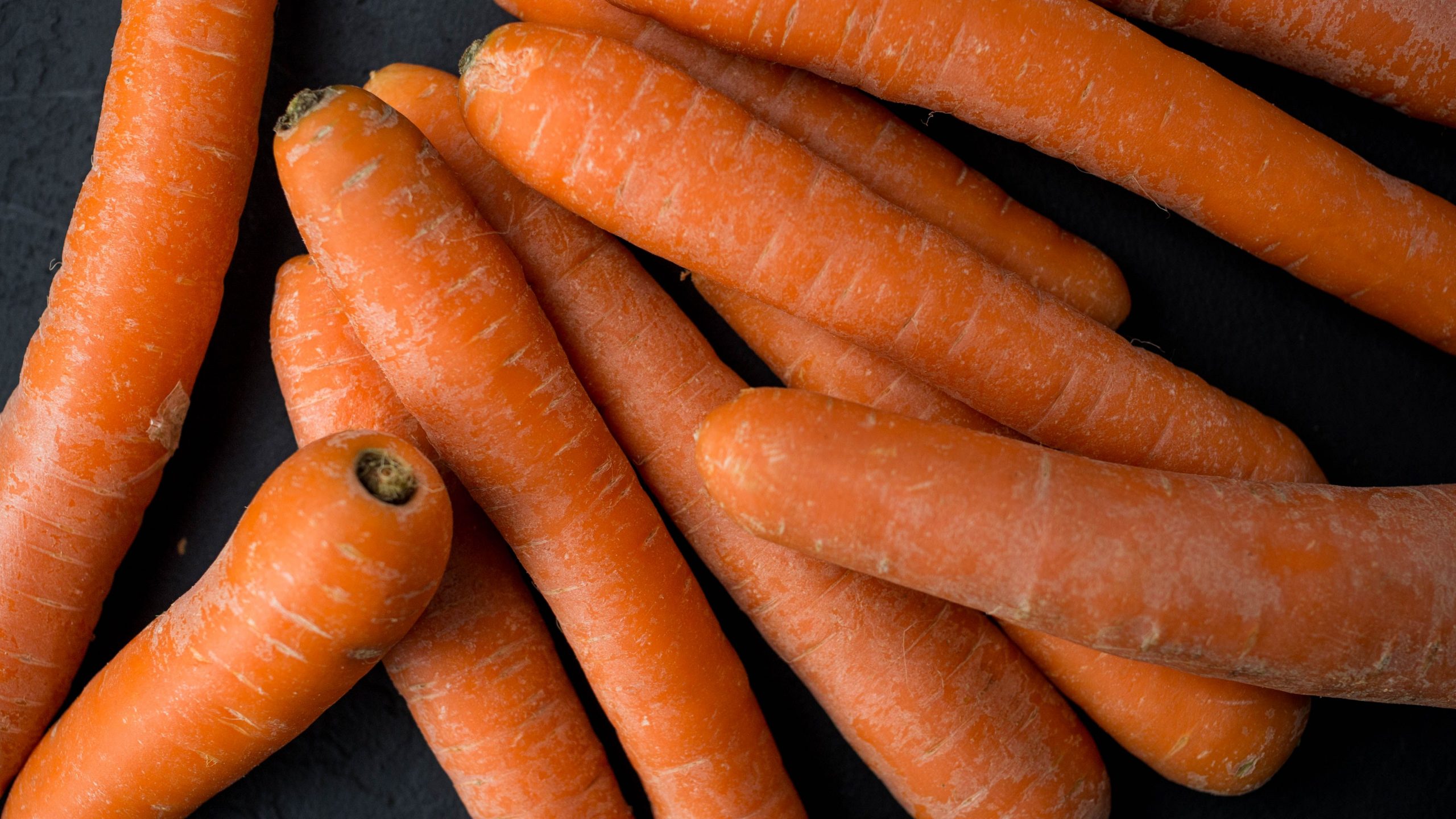
Carrots are one of the easiest vegetables to serve raw.
They have a naturally sweet flavor and crunchy texture that many children enjoy. They can be eaten whole, sliced into sticks, shredded, or chopped into salads.
Carrots provide beta carotene, which the body can convert into vitamin A. Vitamin A supports normal vision, immune function, and other important body processes.
Try serving raw carrots with:
- Hummus
- Yogurt-based dips
- Peanut or nut butter
- Bean dips
- Salads
For younger children, cut carrots into age-appropriate pieces to reduce choking risks.
2. Cucumbers
Cucumbers are refreshing and mostly made up of water, making them a convenient choice for hot days.
They can be sliced into rounds, cut into sticks, or chopped into salads.
Cucumbers are mild enough for children who may not enjoy stronger vegetable flavors.
Try adding them to:
- Sandwiches
- Wraps
- Salads
- Grain bowls
- Homemade snack plates
For extra flavor, pair cucumber slices with a simple yogurt dip or hummus.
3. Bell Peppers
Bell peppers are colorful, crisp, and naturally sweet.
They come in several colors, including red, yellow, orange, and green. Each variety has a slightly different flavor, making them useful for introducing variety to family meals.
Bell peppers provide vitamin C and other nutrients.
Slice them into strips for an easy snack or chop them into salads.
You can also add raw bell peppers to wraps or serve them alongside cheese and whole-grain crackers.
Using different colors can make vegetables more appealing to children.
4. Broccoli
Broccoli can be eaten raw, although its stronger flavor may take some getting used to.
Small broccoli florets make a crunchy addition to salads and snack plates.
Broccoli provides fiber, vitamin C, vitamin K, folate, and other nutrients.
If raw broccoli seems too strong for your family, try serving it with a flavorful dip.
You can also combine it with milder vegetables such as cucumber, carrots, and bell peppers.
5. Cauliflower
Raw cauliflower has a mild flavor and firm texture.
Small florets can be eaten as a snack or added to salads.
Cauliflower is part of the cruciferous vegetable family and provides fiber, vitamin C, vitamin K, and other nutrients.
It can be especially useful for families looking for alternatives to chips or other crunchy snacks.
Try dipping cauliflower florets into hummus or a yogurt-based dip.
6. Tomatoes
Tomatoes are technically fruits, but they are commonly used as vegetables in everyday meals.
They are excellent raw and can be added to salads, sandwiches, wraps, and snack plates.
Tomatoes provide vitamin C, potassium, and beneficial plant compounds.
Cherry or grape tomatoes are especially convenient because they require little preparation.
However, whole small tomatoes can be a choking hazard for young children. Cut them appropriately before serving.
7. Celery
Celery is known for its crisp texture and mild flavor.
It can be eaten raw with dips or used as a crunchy addition to salads and sandwiches.
Celery contains water and fiber and can help add volume and texture to meals.
Try filling celery sticks with:
- Peanut butter
- Hummus
- Cream cheese
- Bean spreads
If you’re serving celery to children, cut it into safe, manageable pieces.
8. Radishes
Radishes can add a peppery flavor and satisfying crunch to meals.
They are particularly useful when you want to make a simple salad more interesting.
Thinly sliced radishes can be added to:
- Tacos
- Sandwiches
- Salads
- Grain bowls
- Wraps
Because their flavor can be strong, start with small amounts if your family isn’t used to them.
9. Snap Peas
Snap peas are a convenient raw vegetable because they are naturally crisp and slightly sweet.
They can often be eaten whole after washing and trimming them as needed.
Snap peas are a good option for lunch boxes, snack containers, and family picnics.
Pair them with hummus or another protein-rich dip for a more filling snack.
10. Zucchini
Zucchini is usually cooked, but young zucchini can be eaten raw.
Thinly sliced zucchini works well in salads and vegetable platters.
You can also use a vegetable peeler to create thin ribbons and combine them with other vegetables.
The mild flavor makes zucchini easy to pair with lemon, herbs, olive oil, or a light dressing.
11. Cabbage
Raw cabbage is crunchy, versatile, and inexpensive.
Green and red cabbage can both be shredded and used in salads, slaws, tacos, and wraps.
Cabbage provides fiber and vitamin C.
A simple homemade slaw can be an easy way to introduce more raw vegetables to family meals.
Combine shredded cabbage with carrots, cucumber, and a light dressing for a colorful side dish.
12. Lettuce and Salad Greens
Leafy greens are a simple foundation for raw vegetable meals.
Romaine, butter lettuce, spinach, arugula, and other greens can provide different flavors and textures.
Instead of serving the same salad every day, rotate the ingredients.
Try combinations such as:
- Spinach with strawberries and cucumber
- Romaine with carrots and bell peppers
- Cabbage with shredded carrots and snap peas
- Arugula with tomatoes and avocado
Variety helps keep meals interesting.
Wash Produce Properly
Food safety is important when serving raw vegetables.
Wash fresh produce under running water before eating or cutting it. This applies even when you plan to peel the vegetable because bacteria on the outside can be transferred to the inside during cutting.
Clean cutting boards, knives, countertops, and hands before preparing food.
Keep raw produce separate from raw meat, poultry, and seafood.
Pre-cut vegetables should also be stored properly in the refrigerator.
Following these basic practices can help reduce the risk of foodborne illness.
Make Raw Vegetables Part of a Family Wellness Routine
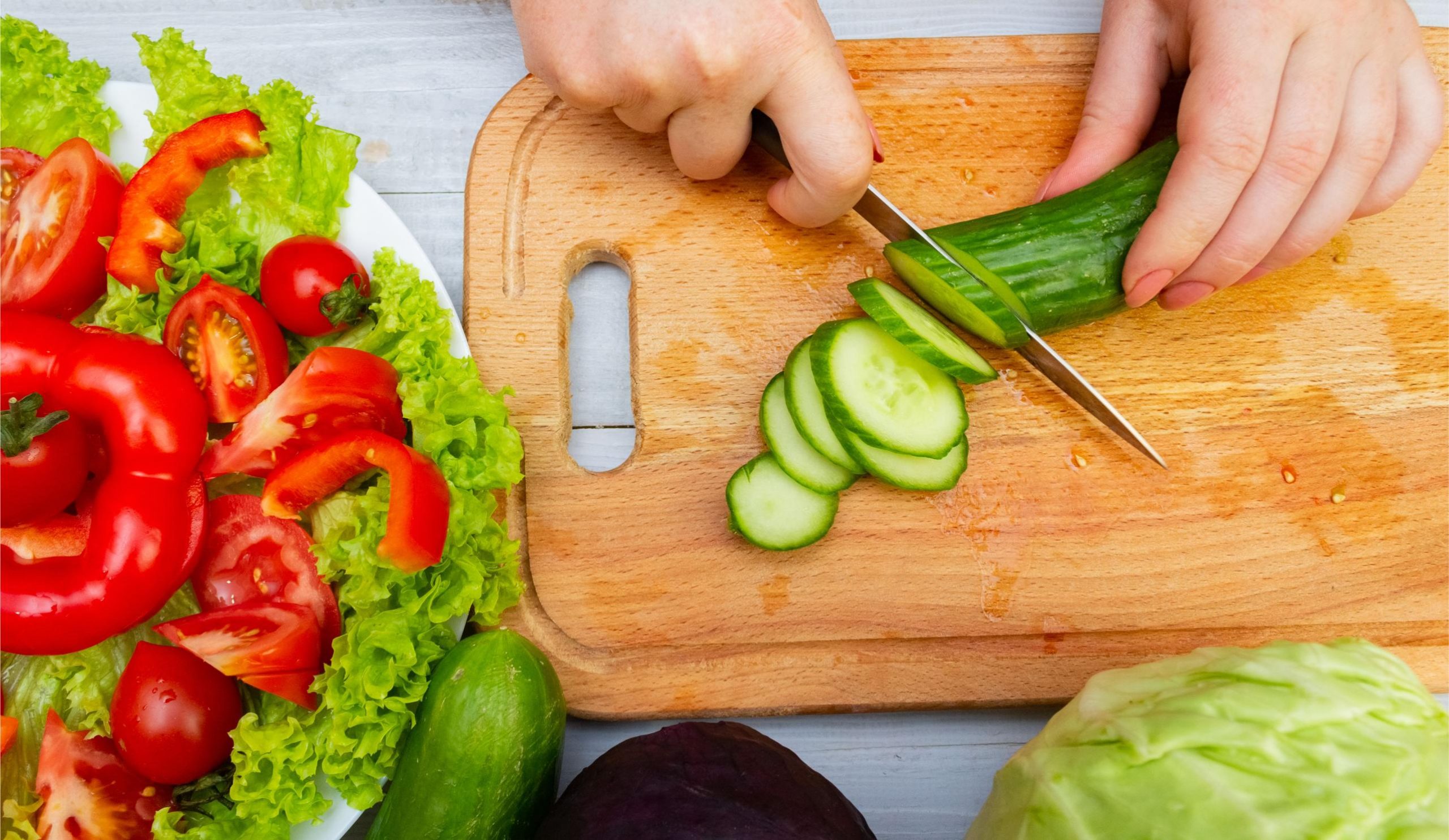
You don’t need to completely change your family’s diet to eat more vegetables.
Instead, make small habits part of your family wellness routine.
For example, keep a container of washed vegetables in the refrigerator so they’re easy to grab. Add a vegetable to lunch each day or serve a small vegetable plate before dinner.
Small changes are often easier to maintain than major diet overhauls.
How Much Is Enough?
Vegetable needs vary depending on age, activity level, and individual nutritional needs.
Instead of worrying about hitting an exact amount every day, focus on including vegetables regularly.
Add them to meals you already eat.
For example:
- Add spinach to eggs.
- Add tomatoes to sandwiches.
- Add cucumber to wraps.
- Add shredded cabbage to tacos.
- Serve carrots with lunch.
- Add bell peppers to salads.
These small additions can increase your overall vegetable intake without requiring complicated recipes.
Make Vegetables Easy to Grab
Convenience plays a major role in eating habits.
If vegetables require 20 minutes of preparation every time, your family may be less likely to eat them.
After grocery shopping, spend a few minutes preparing produce.
Wash and cut vegetables that are suitable for storage, then place them in convenient containers.
Keep some vegetables at eye level in the refrigerator rather than hiding them behind other foods.
When healthy options are easy to see and reach, they’re more likely to become part of your routine.
Include Vegetables in Family Meals
Raw vegetables don’t need to be limited to snacks.
They can become part of breakfast, lunch, dinner, and even casual meals.
For breakfast, add tomatoes or spinach to an egg dish.
For lunch, add cucumber and bell peppers to sandwiches or wraps.
For dinner, serve a colorful salad or vegetable plate.
For snacks, keep carrots, snap peas, or celery available.
This approach makes vegetables a normal part of eating rather than something that has to be forced.
Regular Health Habits Matter Too
Nutrition is only one part of family health.
Regular medical care, physical activity, sleep, hydration, and stress management also matter.
Scheduling family health checkups can help your household stay aware of individual health needs and provide opportunities to discuss nutrition with a qualified healthcare professional.
If a family member has allergies, digestive problems, or another condition that affects food choices, talk with a healthcare provider or registered dietitian for personalized guidance.
Final Thoughts
Raw vegetables can be a convenient, nutritious, and affordable addition to family meals. Carrots, cucumbers, bell peppers, tomatoes, broccoli, cauliflower, snap peas, cabbage, celery, radishes, zucchini, and leafy greens are all versatile choices that can be enjoyed without cooking.
The key is variety. Different vegetables offer different nutrients, flavors, and textures, so rotating your choices can help keep meals interesting.
Don’t worry about making every vegetable raw or creating complicated recipes. Combine raw and cooked vegetables, pair produce with protein and healthy fats, and make healthy choices easy for your family to grab.
Most importantly, focus on consistency rather than perfection. Washing and preparing vegetables ahead of time, involving children in food choices, and adding produce to familiar meals can make healthy eating feel natural.
With small changes and plenty of variety, raw vegetables can become a simple part of your family’s everyday eating habits and contribute to a balanced approach to nutrition.